


Schedule a Free Consultation 630-786-6062

Can You Be Charged With Distribution Without Selling Drugs in Illinois?
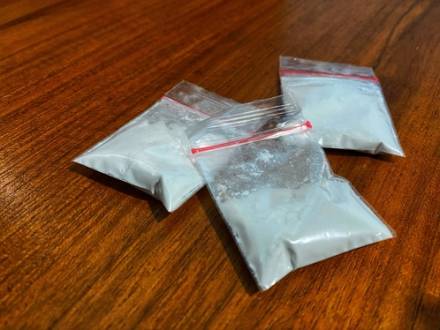 In Illinois, you do not have to sell drugs to be charged with distribution. That distinction matters because the gap between a possession charge and a distribution charge is enormous, both in how serious the offense is and what happens if you are convicted. If you are facing a drug charge in 2026, the Naperville, IL drug crimes defense lawyers at Ramsell & Kunowski, L.L.C. will walk you through the legal process and help you challenge the charges against you.
What Does It Mean To Be Charged With Distribution in IL?
Under 720 ILCS 570/401, it is illegal to manufacture, deliver, or possess with intent to deliver a controlled substance. The word "deliver" covers any transfer of a controlled substance from one person to another, with or without money changing hands. Passing drugs to someone at a gathering, giving them to a person you know, or simply making them available to another individual can all satisfy the legal definition of delivery under Illinois law.
Is Having Drugs on You Enough for a Distribution Charge in IL?
Prosecutors in Illinois can pursue a distribution charge even when drugs never changed hands. Instead of proving a transfer took place, the state looks at the circumstances surrounding the arrest and argues that the evidence points to an intention to distribute.
Elements that could push a drug possession charge into a distribution charge include:
-
Possessing an amount of drugs that exceeds what a person would reasonably keep for personal use
-
Drugs found packaged in separate, individual portions rather than in a single container
-
Large sums of cash discovered near or alongside the controlled substance
-
Drug distribution paraphernalia, such as scales or empty baggies, found at the scene
-
Multiple cell phones or communications that point to an ongoing distribution operation
None of these factors alone proves intent to deliver. But prosecutors often combine several of them to build a case, even when no sale was ever seen.
How Serious Are Distribution Charges in Illinois?
Several factors influence the severity of a distribution charge. These include the type of drug and the amount involved. Drugs are organized in schedules in Illinois, and the penalties go up with both the schedule of the drug and the quantity found.
For example, delivering less than one gram of heroin or cocaine is a Class 2 felony carrying three to seven years in prison. Delivering 15 grams or more of heroin or cocaine jumps to a Class X felony, which carries six to 30 years in prison with no chance of probation. The gap between a possession charge and a delivery charge can mean the difference between probation and years in state prison, which is why knowing how the state is reading the evidence in your case matters so much.
What Is the Difference Between Delivery and Possession With Intent to Deliver?
Actual delivery means a transfer of drugs was seen or documented. Possession with intent to deliver means the state is arguing that you planned to distribute the drugs even though no transfer was directly observed. Both are charged under 720 ILCS 570/401 and carry the same penalties, but the evidence used to prove each one is different.
In a possession with intent to deliver case, the prosecution's entire argument is built on what the evidence suggests about your plans, not what was actually seen happening. That makes how the evidence was gathered and how strong it actually is a central part of the defense.
Can a Distribution Charge Be Challenged in Illinois?
A defense attorney will look at all of the following when building your defense:
-
Whether the search that uncovered the drugs was lawful and conducted properly
-
Whether the quantity found is truly consistent with an intent to distribute rather than personal use
-
Whether the packaging and surrounding circumstances are as incriminating as the prosecution claims
-
Whether the evidence has an innocent explanation that the state has overlooked
-
Whether officers followed required procedures at every stage of the stop, search, and arrest
The Fourth Amendment protects against unlawful searches and seizures. Evidence gathered in violation of those protections cannot be used against you in court.
Contact Our Schaumburg, IL Drug Crimes Defense Attorneys Today
The outcome of a drug distribution case depends heavily on the quality of your defense. At Ramsell & Kunowski, L.L.C., our Naperville, IL drug crimes defense lawyers have handled over 20,000 misdemeanor and felony cases and have argued before both the Illinois Supreme Court and the Supreme Court of the United States. That level of experience means you are working with attorneys who know how these cases are built and exactly what it takes to fight them.
Call 630-786-6062 to talk about your situation and find out what can be done. We have a 24-hour answering service.
Hire the
Team that Wins.
Free
Consultations
call 630-786-6062
Experienced
Attorneys
70+ years of combined experience
Available
24/7
call us any day, any time
Lake in the Hills
Lake in the Hills, IL 60156
The law firm of Ramsell & Kunowski, L.L.C., handles criminal cases throughout the state of Illinois. The firm's attorneys represent clients from many locations, including Addison, Algonquin, Arlington Heights, Aurora, Barrington, Bartlett, Batavia, Bensenville, Bloomingdale, Buffalo Grove, Burr Ridge, Campton Hills, Carpentersville, Carol Stream, Clarendon Hills, Crystal Lake, Darien, Downers Grove, Elk Grove Village, Elgin, Elmhurst, Evanston, Fox Valley, Geneva, Glen Ellyn, Glendale Heights, Hanover Park, Hinsdale, Hoffman Estates, Huntley, Itasca, Joliet, Lake in the Hills, Libertyville, Lisle, Lombard, Mokena, Montgomery, Mount Prospect, Naperville, New Lenox, North Aurora, Northbrook, Oak Brook, Oak Brook Terrace, Oak Park, Orland Park, Oswego, Palatine, Plainfield, Rolling Meadows, Roselle, Schaumburg, South Addison, South Elgin, St. Charles, Sugar Grove, Villa Park, Warrenville, Wayne, West Chicago, Westmont, Wheaton, Willowbrook, Winfield, Wood Dale, Woodridge, and Yorkville. We serve Cook County, DuPage County, Kane County, Kendall County, Lake County, McHenry County, Will County, and more.
Results listed are not a guarantee or indication of future case results.
1121 E. Main Street, Suite 124, St. Charles, IL 60174
630-786-6062

Pay with Zelle
Copy the Email below
info@dialdui.com
